

POPtics Polarization
Overview: Light waves are electro magnetic that travel in two directions. Polarization refers to the direction that electromagnetic waves are traveling in. Linear polarization waves move in straight lines.
Supplies: Polarizer slides, clear plastic objects (plastic itensils, plastic cups, eyeglasses), clear tape
Objectives: What is polarization? How do polarized sunglasses work?

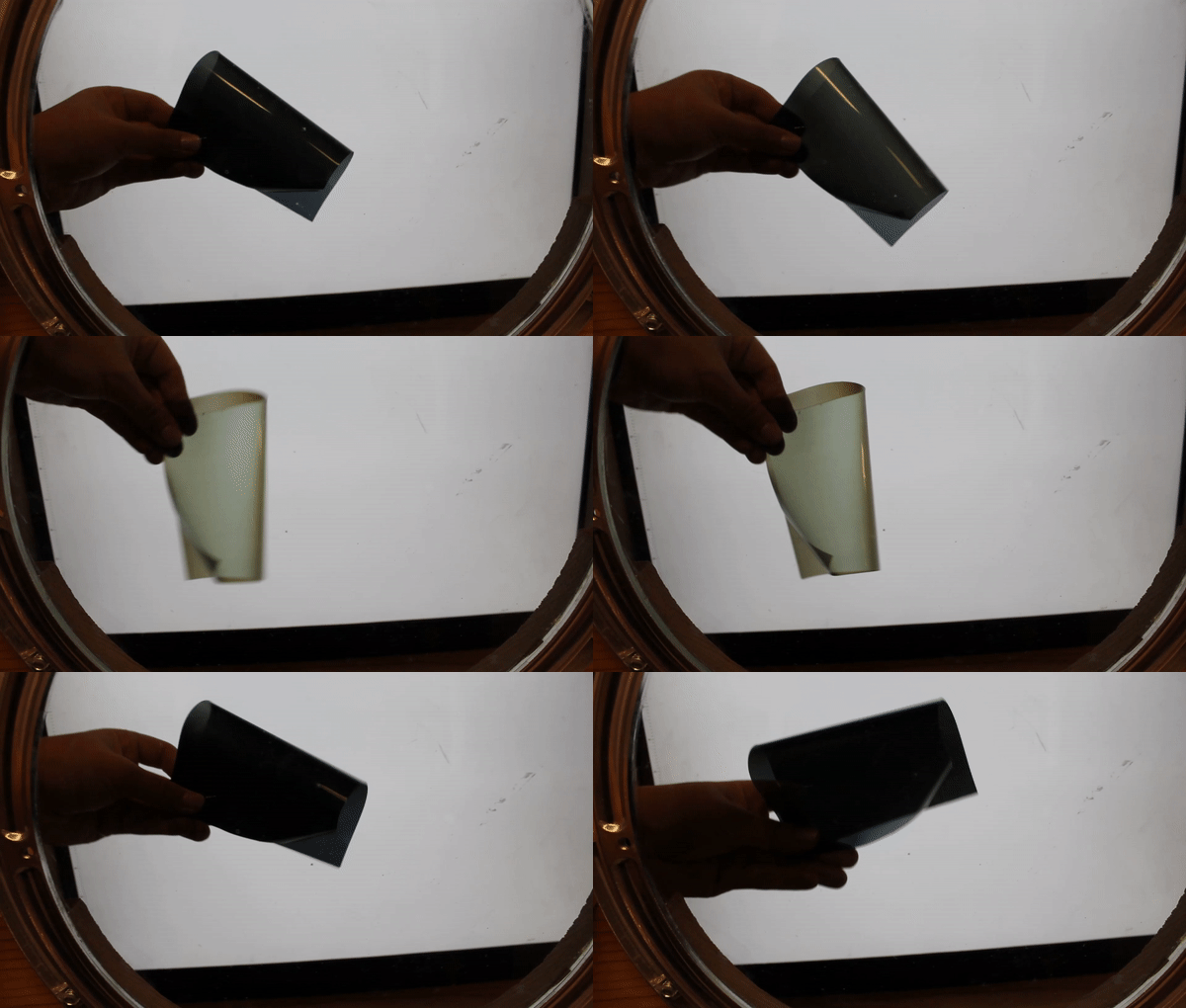
- Hold the two polarizers up in a lighted room oriented in the same direction.
- Notice how you can see through the two polarizers
- Rotate the polarizers with respect to each other, and observe the pattern of light and dark.
- Notice how when the polarizers are “crossed” it appears dark when looking through
- Place objects in between the polarizers and check out the colors!
- Rotate the front polarizer and watch the colors change.
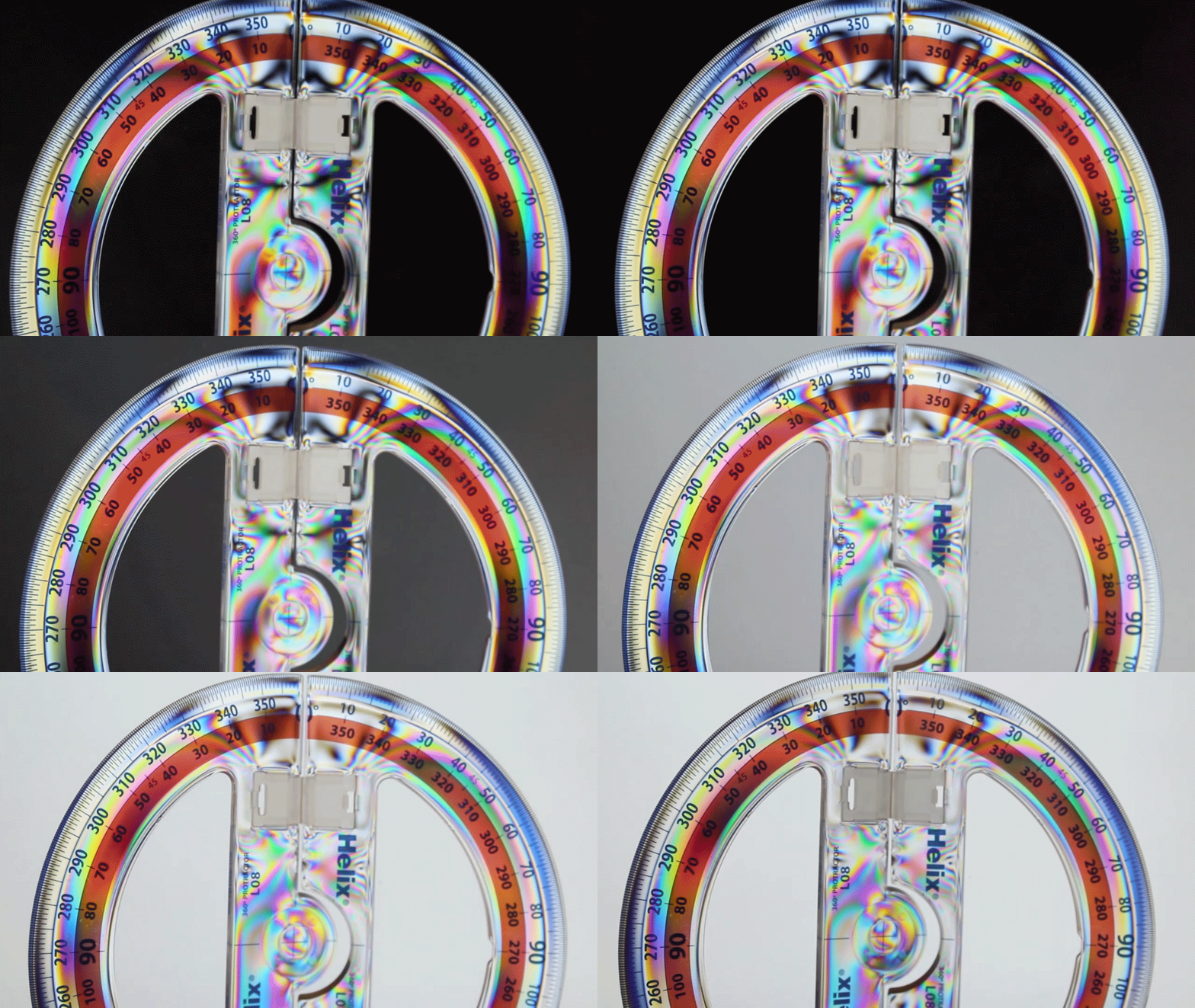
- You can also add tape to one polarizer and check out how the colors change as you rotate
- Have a third polarizer? Like a pair of polarized sunglasses? What do the light dark patterns look like with 3 polarizers?
What’s Happening?
Light is a traveling electromagnetic wave. These electric and magnetic fields travel through space at the speed of light. The orientation of the electric field determines its polarization. Light can be unpolarized, having no preferred orientation of the electric field, linearly polarized where the electric field traces out a line, or circularly polarized, where the electric field travels in a circle over time.
Linear polarizers act as “gates”, blocking different forms of polarization. Think of these as fences; if light is polarized along the direction in the gaps, the light will pass through, but if it is in the opposite direction it will be blocked.
Some objects are birefringent, meaning the refractive index of the material changes depending on the polarization. Some crystals are naturally birefringent due to their crystal structure. The colors from the plastic objects come from stress birefringence, typically from when they were made using injection molding. The colors that we see from the tape add various layers of thickness, which produces thin film interference.
Polarizing sunglasses reduce glare from things like water, snow, or the road. Many LCD displays are polarized, so some electronics cannot be seen clearly when wearing polarized sunglasses.